Lifting Slings vs Chain Slings: Which One Should You Choose?
When you’re lifting heavy loads on a job site, the type of sling you choose can make all the difference—both for safety and efficiency. Two of the most common options out there are synthetic lifting slings and chain slings. They might both get the job done, but the way they handle weight, wear and tear, and different environments is totally different.
In this article, we’re breaking down the key differences between synthetic slings and chain slings. We’ll look at strength, durability, flexibility, cost, safety, and where each one really shines. By the end, you’ll have a clearer idea of what works best for your specific lifting needs.
What Are Lifting Slings?
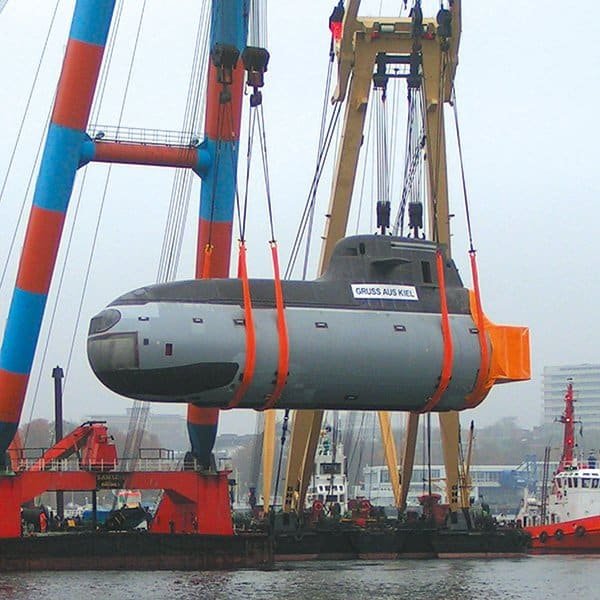
The lifting slings are what connect your load to the crane or hoist. Synthetic slings are usually made from polyester or nylon—lightweight materials that are easy to handle and won’t scratch up whatever you’re lifting.
You’ll mostly see two types on the job: flat webbing slings or round slings. They’re popular because they’re flexible, gentle on loads, and simple to work with.
What Are Lifting Chain Slings?
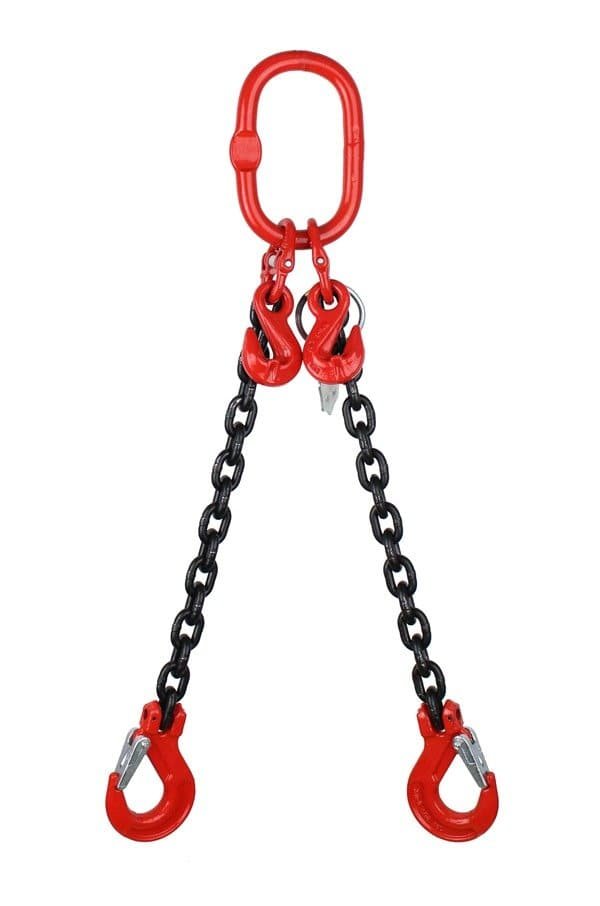
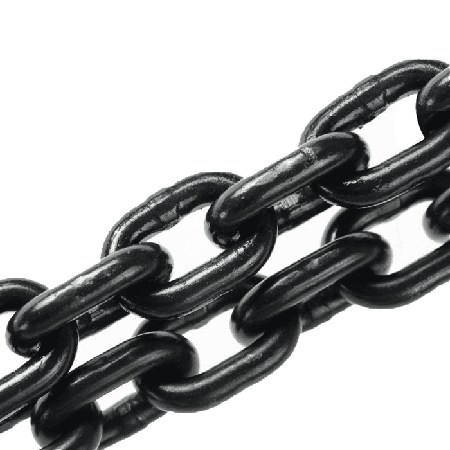
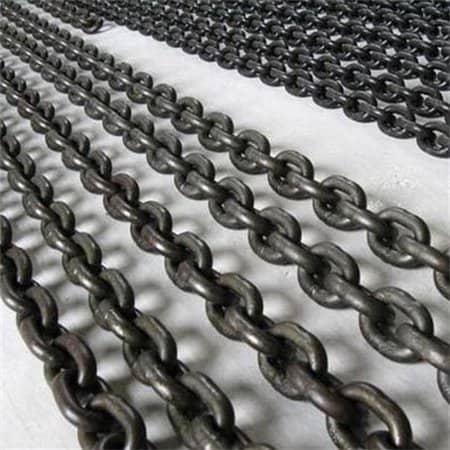
Chain slings are built from high-strength alloy steel—typically Grade 80 or 100—and come with components like master links, hooks, and connectors.
You’ll usually find them in heavy industrial settings like construction sites, steel plants, shipyards, or offshore operations. The reason? They’re incredibly strong, hold up well under tough conditions, and can handle heat and abrasion like nothing else.
Key Differences Between Synthetic Slings and Chain Slings
Below is a side-by-side comparison of synthetic lifting slings and lifting chain slings in terms of strength, durability, flexibility, cost, and industrial applications.
| Comparison Factor | Synthetic Lifting Slings | Lifting Chain Slings |
|---|---|---|
| Material | Polyester or nylon webbing / round sling core yarn | Heat-treated alloy steel (commonly G80 / G100) |
| Weight | Lightweight, easy to handle | Heavy, requires more effort to rig |
| Flexibility | Highly flexible, conforms to load shape | Rigid structure, limited flexibility |
| Surface Protection | Soft material protects painted or finished surfaces | Can scratch or damage delicate surfaces |
| Load Capacity | High strength-to-weight ratio | Extremely high load capacity |
| Temperature Resistance | Limited (typically up to 100°C–120°C depending on material) | Excellent high-temperature resistance |
| Abrasion Resistance | Moderate, vulnerable to sharp edges | Very high abrasion resistance |
| Adjustability | Fixed length unless custom-made | Adjustable with shortening hooks |
| Inspection | Harder to detect internal damage | Wear and deformation are easily visible |
| Repairability | Not repairable once damaged | Components can be replaced |
| Durability in Harsh Environments | Best for controlled environments | Ideal for harsh, industrial conditions |
| Typical Applications | Warehousing, machinery handling, logistics | Construction, steel fabrication, heavy industry |
When Should You Use Chain Slings vs Synthetic Lifting Slings?
If you’re trying to decide between the two, here’s a simple way to figure out what fits your situation best.
| Situation / Requirement | Choose Lifting Chain Slings | Choose Synthetic Lifting Slings |
|---|---|---|
| Extremely heavy loads | ✔ Ideal for very high-capacity lifting | Suitable for heavy loads within the rated WLL |
| High-temperature environment | ✔ Best choice (resistant to heat) | ✘ Not recommended for high heat |
| Harsh/abrasive conditions | ✔ Excellent abrasion resistance | May require edge protection |
| Sharp edges on load | ✔ More resistant to cutting | Risk of cutting without protection |
| Delicate or painted surfaces | ✘ May damage the surface | ✔ Soft material protects the load |
| Irregular or fragile loads | Limited flexibility | ✔ Conforms to load shape |
| Frequent manual handling | Heavy, less ergonomic | ✔ Lightweight and easy to handle |
| Need adjustable length | ✔ Adjustable with shortening hooks | Usually fixed length |
| Long-term heavy industrial use | ✔ Designed for severe-duty cycles | Better for moderate-duty applications |
| Budget-sensitive projects | Higher upfront cost | ✔ Lower initial investment |
| Ease of inspection & repair | ✔ Easy to inspect and repair | Must be discarded if damaged |
| Indoor/controlled environment | Suitable but may be excessive | ✔ Ideal solution |
Frequently Asked Questions
Q1: Are chain slings stronger than synthetic slings?
Yes, chain slings typically offer higher temperature resistance and better performance in harsh environments, while synthetic slings offer an excellent strength-to-weight ratio.
Q2: Can synthetic slings be used for heavy lifting?
Yes, synthetic slings can handle heavy loads when properly rated, but they are more sensitive to sharp edges and heat.
Q3: Which sling lasts longer?
Chain slings generally last longer in abrasive and high-temperature environments, while synthetic slings may require more frequent replacement.
Conclusion: Which One Is Better?
There is no universal “better” option—only the right tool for the job.
- If flexibility, surface protection, and ease of handling matter most. → Choose synthetic lifting slings.
- If strength, heat resistance, and extreme durability are required. → Choose lifting chain slings.
Understanding your working environment, load type, and safety requirements is the key to making the correct selection.