
DIN 6899 Type A vs Type B: What’s the Difference?
DIN 6899 Type A vs Type B Wire Rope Thimbles: Key Differences When choosing wire rope thimbles, have you ever
DIN 6899 Type A vs Type B: What’s the Difference? Read More »

DIN 6899 Type A vs Type B Wire Rope Thimbles: Key Differences When choosing wire rope thimbles, have you ever
DIN 6899 Type A vs Type B: What’s the Difference? Read More »
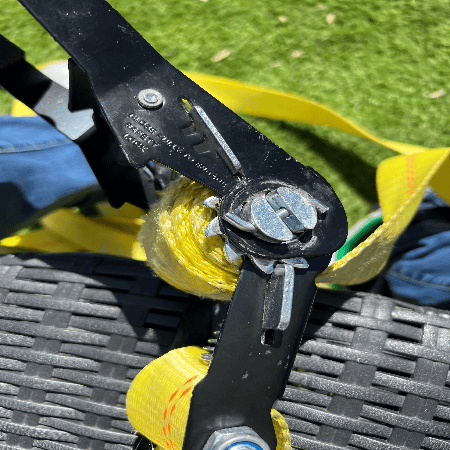
Ratchet Buckle Safety: Prevent Sudden Tension Release When people talk about ratchet buckle performance, the first question is often: How
Ratchet Buckle Safety: The Real Danger Is Sudden Release Read More »
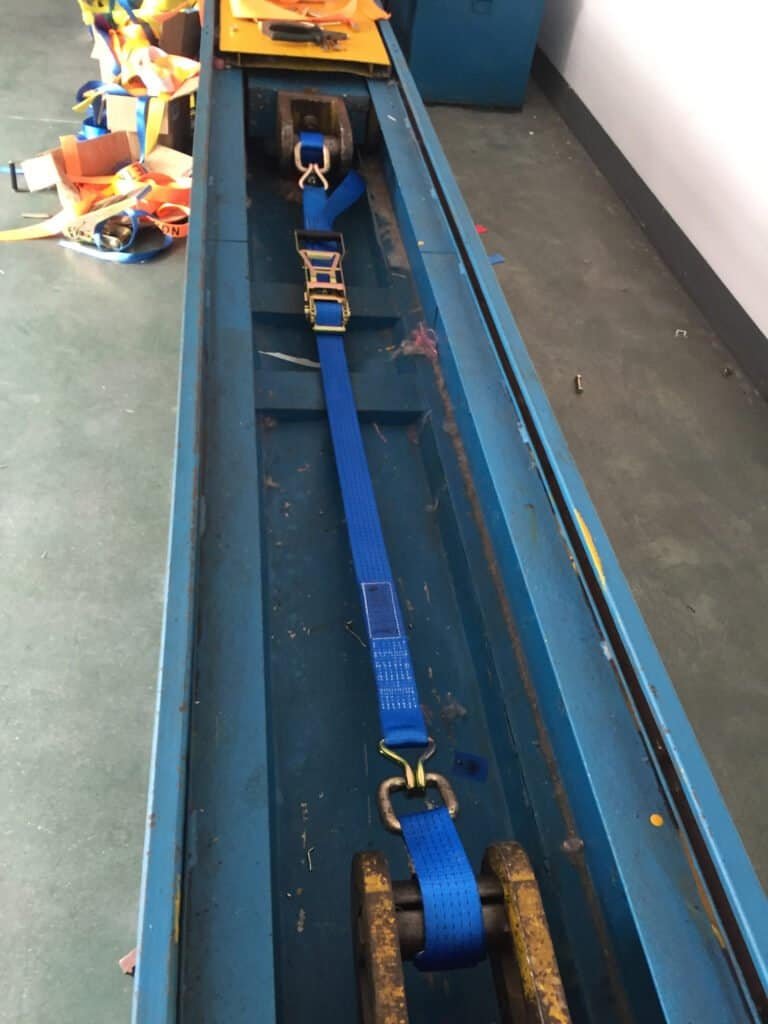
Can the same tensile testing machine be used for both ratchet straps and lifting slings? When manufacturing lifting slings or
Lifting Sling Testing Machine vs. Lashing Strap Testing Machine: What Is the Difference? Read More »

Why Steel Chain Manufacturers Need Wire Drawing? When buyers shop for steel chains, most of their attention goes to a

In the cargo lashing and transportation industry, the J Hook is one of the most common end fittings for ratchet
Single J Hook vs Double J Hook | Complete Guide for Ratchet Strap End Fittings Read More »

Lifting Sling Testing Guide: Flat Webbing Slings & Round Slings Textile lifting slings, including flat webbing slings and round slings,

The Ultimate Guide to Soft Shackles: Safety, Strength, and Why It’s Replacing Steel? Soft shackles are becoming increasingly popular in
Soft Shackle Guide:Materials, Strength, Uses and Safety Read More »

Snow Socks vs Snow Chains: Which Winter Traction Solution Is Right for You? Winter driving isn’t always easy—once snow and
The Ultimate Snow Socks Guide: Are They Better Than Snow Chains? Read More »

Bow Shackle vs. Dee Shackle: Which One Should You Choose for Your Lifting Project? When it comes to lifting, rigging,
Difference Between Bow Shackle and Dee Shackle: A Complete Guide Read More »

When to Retire Your Ratchet Straps? In industrial lifting and logistics transportation, ratchet straps are hailed as the “seatbelts” of
How long can your straps last? Analysis of 3 critical “red lines” for obsolescence. Read More »